Looking back, looking ahead and making peace with both.
There are only fragments of childhood left now.
I can remember crying because I didn’t want to go to nursery. I remember reciting times tables at the end of lessons and spending entire lunch breaks playing football in the playground. Back then, speaking to a girl for more than thirty seconds was enough for your mates to decide you were in a relationship. Life was wonderfully simple. There were no mortgages, careers or responsibilities. The biggest decision of the day was usually what game to play at lunchtime.
Then came secondary school and, with it, the first glimpse that life might be more complicated than I’d realised. Suddenly there were exams to worry about, social circles to navigate and all the strange politics that seem incredibly important when you’re thirteen. Looking back, most of it feels ridiculous. At the time it felt like everything.
By sixth form, life’s priorities had shifted again. Friends, girls and money became the centre of the universe. I’d happily spend six pounds every week watching some pop-punk band in a tiny venue. Talking to girls at those gigs was considerably less successful. Like most people, there were awkward dates, confidence issues and plenty of lessons learned the hard way before eventually finding somebody special.
Back then, adulthood seemed a very long way away.
The problem with adulthood is that it arrives gradually and then all at once.
One day you’re going out three nights a week and wondering what to do with your life. The next, you’re paying a mortgage, worrying about interest rates and wondering where the last twenty years disappeared to.
I was reminded of that recently when my youngest son started university. He’s now doing exactly the things I was doing what feels like five minutes ago, although it was actually more than two decades ago. Going out, seeing friends, getting drunk and making memories he’ll probably still be talking about when he’s 40.
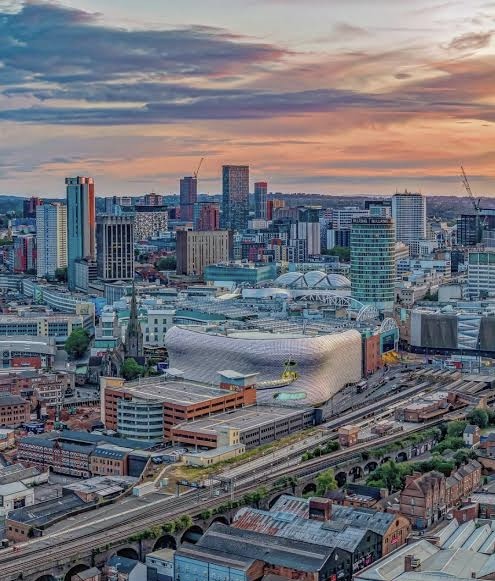
His nightclub of choice is Snobs in Birmingham.
Mine was too.
The difference is that if I walked into Snobs today, I’d probably feel about a hundred years old. At best I’d be the weird old bloke refusing to accept that his nightclub years are behind him. At worst, security might politely ask whether I was there to collect somebody.
That’s the strange thing about turning 40. You don’t necessarily feel old, but the world starts gently reminding you that you’re no longer young.
For a start, I like sport. I watch a lot of sport. Sportspeople are now suddenly younger than me. Some of them much younger than me. Footballers, cricketers and athletes who I instinctively think of as established professionals are, in reality, closer in age to my son than they are to me. Comedians seem younger. Actors seem younger. Pop stars seem younger. Meanwhile, I’m getting closer in age to newsreaders and politicians.
That’s not a sentence I particularly enjoyed writing.
I know every generation romanticises its youth, but I genuinely think growing up in the 1990s and early 2000s was brilliant. Social media wasn’t really a thing. Nights out weren’t documented from twenty different angles and people generally lived in the moment because there wasn’t really another option.
Maybe that’s nostalgia talking.
But I remember the excitement around the Millennium, Britpop, a solar eclipse and football full of genuine characters. Even Tony Blair seemed cool for a bit.
Today everything feels louder. Every issue becomes a culture war. Everyone has an opinion and, thanks to social media, everyone has a platform to share it. Nobody seems capable of disagreeing without turning it into a battle. Whether that’s actually true or simply what happens when you get older, I don’t know.
Perhaps reflection is one of the inevitable side effects of turning 40.
You spend more time thinking about where you’ve been and where you’re going. You think about your parents getting older. Friends’ parents getting older. Illness. Mortality. Things that barely crossed your mind when you were twenty.
Death certainly wasn’t something I thought about when I was twelve. Even when my grandad died when I was 21, it felt distant. Sad, obviously, but distant. It was something that happened to old people after a long life.
At 40, it feels a little less theoretical.
The grey hairs are arriving, weight is harder to maintain and a game of football now requires a recovery period that would have seemed absurd in my twenties. Every now and then I even wonder whether I’m getting shorter, which surely can’t be a normal thought to have.
Perhaps the strangest thing of all is having an 18-year-old son. In my head, I still feel roughly the same age I did at 25. Then I’m reminded that I have a child at university while I’m looking at a mortgage that will probably still be hanging around well into my fifties. That’s when adulthood really hits. Not because you suddenly feel old, but because your responsibilities quietly accumulate until one day you’re carrying far more than you ever expected.
Career brings its own reflections. I’m comfortable, but like most people I occasionally wonder, “Is this it?”
When I was younger, I’d have loved to have been a sports writer or perhaps a coach. Those ships have largely sailed now, not because they’re impossible but because life gradually narrows your options. Responsibilities accumulate. People depend on you. Practicality starts winning arguments that ambition once dominated.
And maybe that is what I’ve realised about turning 40.
It’s not really about ageing.
It’s about perspective.
At 20, life feels endless. At 40, it feels valuable.
You become more aware of time. More aware of your parents getting older. More aware of your own limitations. More aware that some ambitions won’t be realised and some dreams will remain dreams. But you’re also more aware of what matters.
You care less about impressing people. You understand yourself better. You stop worrying about things that once seemed desperately important and start appreciating the things that actually are.
Maybe that’s why 40 feels different from every birthday that came before it.
But maybe that’s the point.
It isn’t a finish line.
It’s a vantage point.
Old enough to look back and understand the road you’ve travelled. Young enough to appreciate there’s still plenty of road ahead.
The view is different from up here.

